 Book a Chat
Creative Wedding Studios — Complete Guide
Everything you need to know before hiring a photographer or videographer — 20 costly mistakes to avoid, every must-have shot, and a sample wedding day timeline.
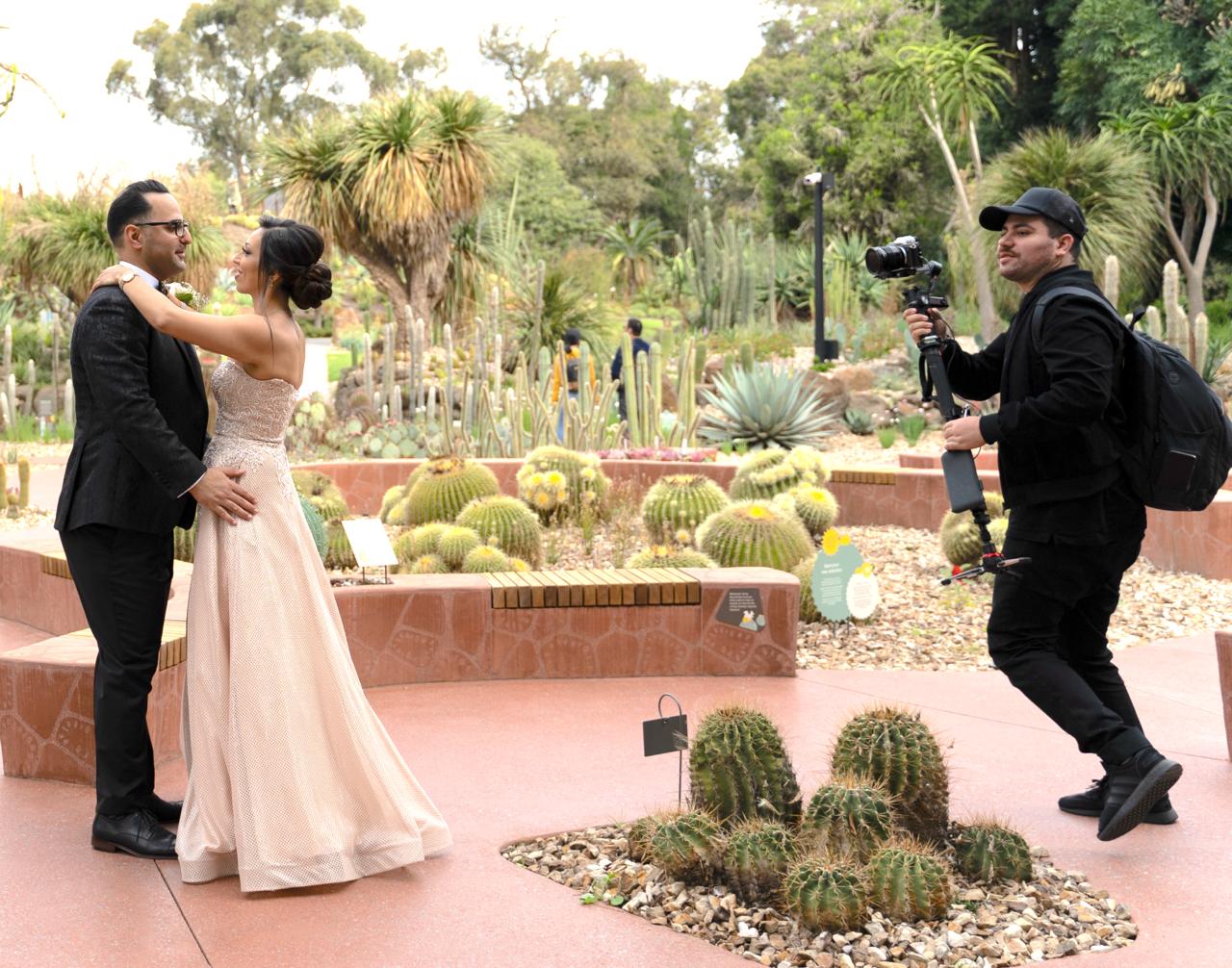
Who we are
Creative Wedding Studios is a premium wedding videography and photography studio. Our founder Lionel has been capturing weddings for over a decade — with work recognised across the Australian music and film industries — and leads a team of experienced shooters across Victoria and Queensland.
This guide is drawn directly from everything we've learned working with hundreds of couples. It's not a sales pitch. It's the honest advice we wish every couple had before their wedding day.
Section 01 of 03
These aren't hypothetical — they're the real things we hear from couples who wish they'd known sooner. Read through before you enquire with any studio.
Many couples enquire based on a handful of Instagram posts without looking at full wedding galleries, reading reviews, or understanding the studio's process. Social media shows highlight moments — not the full picture of how a photographer works.
What to do instead
Ask to see full wedding galleries — prep through reception — not just curated portfolio highlights. Look for consistency across different lighting conditions, venues and couple styles.
Your wedding photos and films are the only physical record of your day. Unlike other vendors, this cannot be redone. Choosing the cheapest option without considering quality, experience or process is one of the most common regrets couples share after the fact.
What to do instead
Compare value, not just price. What's included? How many hours? How many photographers? What's the editing style? Then decide what's worth the investment for memories that last a lifetime.
Copyright in photography and videography can be surprisingly complex. Some studios retain copyright over your images and restrict how you can print, share or use them. Others grant full personal usage rights. Not clarifying this upfront can cause problems later.
What to do instead
Ask explicitly: "What usage rights do we receive? Can we print our photos commercially or through a third-party lab? Are there restrictions on sharing?" Get it confirmed in writing in your contract.
A pre-wedding consultation is where your photographer or videographer learns what actually matters to you — the people, the traditions, the little details. Without it, your team is working blind on your most important day.
What to do instead
Make sure your studio includes a pre-wedding call or meeting. Use it to walk through your run sheet, name key family members, flag priority moments and raise any concerns about the day's logistics.
Contracts contain the details that matter most: coverage start and finish times, overtime fees, cancellation and postponement policies, what happens if a photographer is ill, and delivery timeframes. Many couples don't read their contracts until something goes wrong.
What to do instead
Read every clause before signing. If anything is unclear — especially around overtime fees, illness substitutes or postponement terms — ask for it to be clarified in writing.
Popular photographers and videographers — especially those with consistent quality and strong reviews — book out 12 to 18 months in advance for peak dates. Leaving it until six months out often means your preferred studio is already taken.
What to do instead
Prioritise locking in photography and videography early — ideally within the first few months of setting your date. Venue, photographer, and celebrant are the three vendors that fill up fastest.
Package inclusions vary enormously between studios. The number of hours, the number of edited images, whether an album is included, film lengths, delivery format, online gallery access, and print rights all differ. Assuming you know what's included is a costly mistake.
What to do instead
Get a complete written list of inclusions before signing. Ask: How many edited photos? What film lengths? Is the online gallery permanent? Is an album included? What's the delivery window?
Your photographer and videographer will spend 8–10+ hours with you on your wedding day — more than almost any other vendor. If you feel uncomfortable, awkward or unable to communicate with them, it shows in the photographs. Chemistry matters.
What to do instead
Have a video call or meet-up before booking. Pay attention to how they communicate, whether they listen, and whether you feel at ease. You want someone you'd actually enjoy spending time with.
A photographer who primarily works at bright, outdoor venues may struggle in a dim church. Someone unfamiliar with your cultural traditions may miss significant moments. Style preferences — documentary vs posed, bright and airy vs cinematic and dark — vary widely.
What to do instead
Ask specifically: "Have you worked at my venue before?" and "Do you have experience photographing [your cultural tradition]?" Look for work from similar settings, not just beautiful images from ideal conditions.
Every couple is different. What's most important to one couple — grandparents, cultural ceremonies, a specific location — won't be obvious to your photographer unless you tell them. Assumptions in both directions create gaps in coverage.
What to do instead
Write down your three to five most important priorities and share them explicitly before the day. Don't leave it to chance. Your photographer can only look for what they know to look for.
Photography and videography need time built in — time for setup, for portraits, for family photos, for ceremony equipment. A run sheet that ignores those needs creates real pressure on the day. Rushed coverage is one of the most common causes of disappointment.
What to do instead
Share your draft run sheet with your photographer before finalising it. Ask them to flag any timing issues. The sample timeline at the bottom of this page is a good starting point.
Without a specific list of family combinations, key moments or detail shots, your photographer is making educated guesses on the day. Important group photos — especially with older relatives — can be missed entirely if not explicitly requested.
What to do instead
Prepare a concise list of the family combinations and specific moments that matter most. Keep it realistic — 10 to 15 family groupings is achievable; 30 is not. Use the shot guide in this page as a starting point.
The quality of natural light changes dramatically throughout the day. A 2pm ceremony in harsh midday sun produces very different results to a late-afternoon ceremony in golden light. Indoor reception venues with dark or coloured lighting add further complexity.
What to do instead
Ask your photographer about lighting at your venue. Find out when golden hour falls on your wedding date, whether there are any indoor lighting challenges, and whether artificial lighting will be used during portraits.
For wedding videos, audio is just as important as the image — often more so. Vows, speeches and ceremony moments rely on clean audio. Videographers vary significantly in how they capture audio: some use a single camera microphone, others use dedicated lapel microphones, ambient recorders and separate audio systems.
What to do instead
Ask your videographer: "How do you capture audio at the ceremony and reception? Will my partner and I be wearing lapel microphones? How is the officiant's audio captured?" Clean audio is what makes a wedding film emotional.
Rain, wind, extreme heat and fading light can all disrupt outdoor portrait plans. Without a backup, couples often find themselves scrambling on the day — or losing the portraits they had hoped for.
What to do instead
Discuss wet-weather options with your photographer in advance: covered areas at the venue, nearby sheltered locations, or how to use indoor spaces beautifully. Having a plan removes the stress if conditions change.
A solo photographer covering your entire day — from prep through reception — will capture the day differently than a two-person team. Two photographers can cover both getting-ready locations simultaneously, capture multiple angles during the ceremony, and keep one person with the couple while the other gets candid guest moments.
What to do instead
Ask how many photographers or videographers will be covering your day, and what each person's role is. For larger weddings or complex logistics, a two-person team is typically better suited.
Family photos require gathering the right people quickly. On a busy wedding day, identifying grandparents, godparents, and specific family members in a crowd of guests is genuinely difficult without a reference list or a designated person to help round people up.
What to do instead
Prepare a short list of key family members and consider nominating a family contact — someone who knows everyone — to help gather people efficiently. This dramatically speeds up the family portrait session.
Trying to fit too many locations, too many family combinations or too many "must-have" moments into a tight window is one of the most common ways a wedding day becomes stressful. Every extra stop adds travel time, coordination time and potential delays.
What to do instead
Be ruthless with priorities. Choose quality over quantity. One beautiful location photographed well is better than five rushed stops. Build buffer time into every transition — things will run late, and having margin makes the whole day calmer.
Memory card failures, camera malfunctions and hard drive failures are rare — but they happen. Asking your photographer what redundancy they have in place is a reasonable and important question. Some photographers back up files to a second card in-camera; others wait until they return to their studio.
What to do instead
Ask: "Do you shoot to dual memory cards simultaneously? How soon are files backed up after the wedding?" A professional studio will have a clear, documented answer.
Asking a friend with a "good camera" to photograph your wedding seems like a practical saving — but it creates real risk. Amateur photographers typically lack the professional equipment, editing expertise, backup systems, and experience under pressure that come with a professional. If the results are disappointing, there is no way to go back.
What to do instead
If budget is genuinely limited, consider a smaller professional package — fewer hours or a photography-only booking — rather than forgoing professional coverage entirely. For the moments you cannot recreate, professional skill matters.
Avoid the mistakes — get expert guidance
A quick 10-minute call is the easiest way to ask every question on your list and find out if we're the right fit for your wedding.
Book a Quick Wedding ChatSection 02 of 03
Use this as a reference when briefing your photographer. You don't need to ask for every item on this list — pick the ones that matter most to you and make sure your team knows about them before the day.
Section 03 of 03
This is a guide based on a 3:15 pm ceremony, with a 30-minute drive between the bride's and groom's getting-ready locations, and a further 30 minutes to the ceremony venue. Adjust all times to suit your day.
This template is designed to help you and your photographer plan coverage that feels relaxed rather than rushed. Every wedding is different — use this as a starting point, then build in buffer time wherever you can.
8:00 AM
Hair and makeup team arrives for bride and bridal party
11:00 AM
Videographer / Photographer arrives at groom's location (allow ~45 minutes)
11:45 AM
Videographer / Photographer departs groom's location
12:15 PM
Videographer / Photographer arrives at bride's location (allow 60–90 minutes)
1:45 PM
Videographer / Photographer departs bride's location
2:15 PM
Videographer / Photographer / Celebrant arrive at ceremony venue
2:20 PM
Videographer begins equipment setup (allow ~45 minutes — cameras, tripods, microphones)
2:20 PM
Photographer captures venue detail shots
2:30 PM
First look with partner (optional — in a discreet location)
2:45 PM
Guests begin arriving
3:15 PM
Ceremony begins
3:45 PM
Ceremony concludes → Full group photo of all guests (allow 5 min to regroup + 5 min for photo)
4:00 PM
Cocktail hour begins · DJ / band arrives at reception venue · Family photos begin (allow 15 minutes)
4:15 PM
Bridal party portraits around venue or nearby location (allow 30 minutes)
4:45 PM
Couple portraits (allow 30 minutes)
5:15 PM
Portraits conclude · Videographer and Photographer capture reception venue details (allow 15 min for videographer to set up with DJ / band)
5:45 PM
MC introduction · Wedding party announced
5:55 PM
Cake cutting
6:00 PM
Entrées served
6:00–8:00 PM
Couple portraits during golden hour (allow 10–15 minutes for sunset photos when the light is right)
6:30 PM
First round of speeches
7:00 PM
Main dinner served
7:30 PM
Second round of speeches / toasts
7:50 PM
First dance
7:55 PM
Parent dance
8:00 PM
Dance floor opens
8:30 PM
Bouquet toss
9:00 PM
Videographer / Photographer departs (unless sparkler exit or farewell arch is planned)
11:00 PM
Send-off — sparkler exit or farewell arch (if applicable)
Creative Wedding Studios
We'd love to hear about your wedding — your people, your venue, and the moments you're most looking forward to capturing.
Book a Quick Wedding Chat